

像雜草一樣 Weeds like us
Abstract
Centered on Guangzhou-based independent label QiiiSnacks Records, this documentary follows founder Xiao Ji and a community of young musicians who sustain the city’s vibrant DIY music scene through record production, rehearsals, and live performances.
Filmed between 2021 and 2023, during a period of profound uncertainty, the film captures how music becomes a means of connection, resistance, and collective imagination. Like weeds growing through cracks in concrete, these musicians persist despite disappearing venues, shifting urban landscapes, and precarious cultural conditions.
Once the birthplace of popular music in mainland China, Guangzhou has evolved into a fertile ground for grassroots and experimental musical practices. Through an intimate audiovisual portrait, the film explores how independent music communities cultivate alternative forms of cultural life and shape the local ecology of the contemporary city.
Director
Wang, Lisi
Wang is a university lecturer and documentary filmmaker with an M.A. in Arts from Jinan University. Her interests include independent music, urban memory, local culture, and family archives. Through writing, filmmaking, and teaching, she explores expressive forms that balance visual aesthetics with emotional resonance. Her work draws on personal observation to weave together cultural contexts and human stories.
太陽光的傳承 kuku' nu cilal (The Feet of the Sun)
Abstract
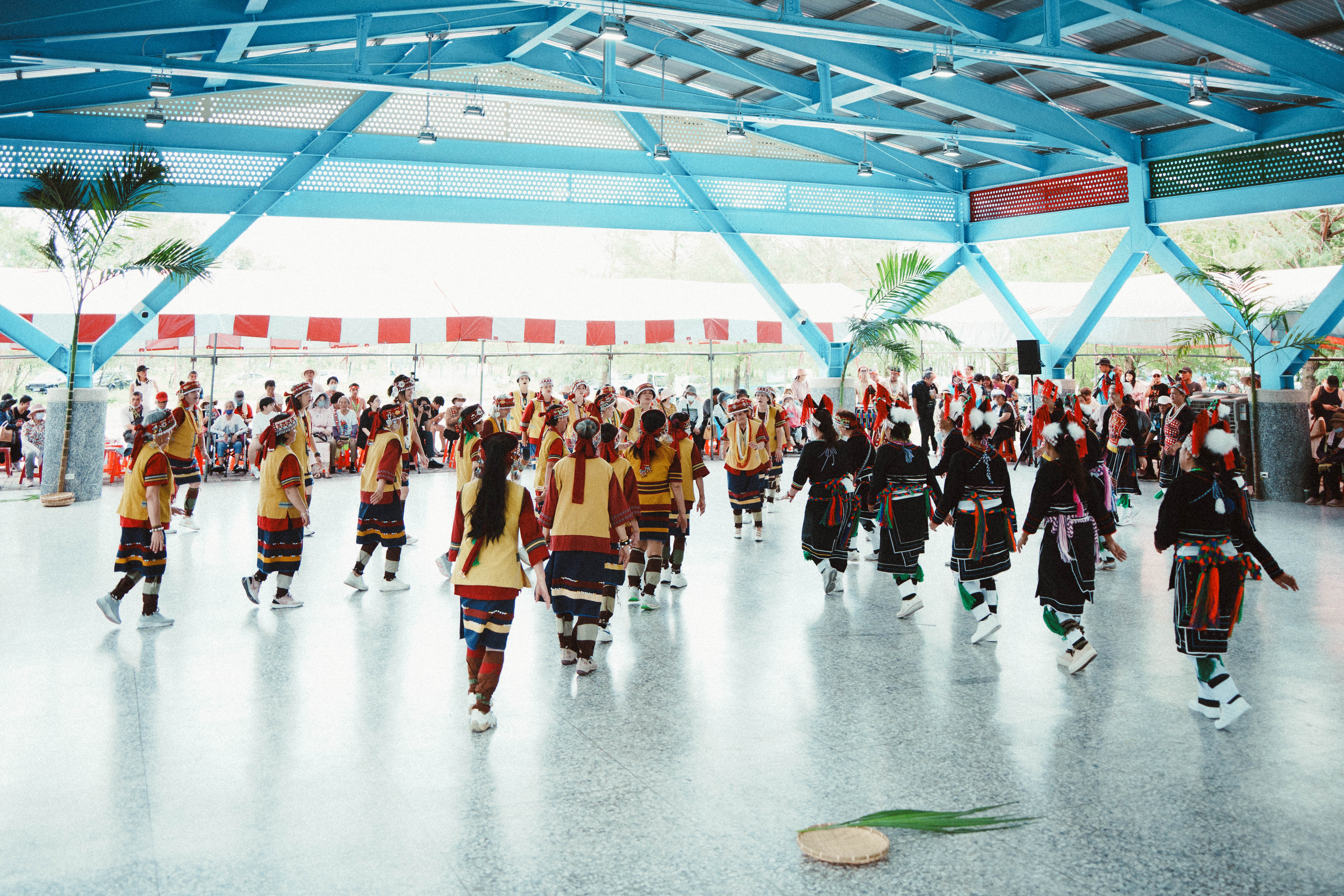
Focusing on Malalikid, the largest and most traditional annual festival of the Sakizaya Sakul Tribe in Hualien, this film is composed of field research footage collected between 2020 and 2024. It documents how cultural revitalization has expanded from the restoration of traditional music and dance to the revival of traditional clothing, faithfully presenting the community’s efforts to revitalize its cultural traditions and pass them on to future generations. The film also explores how ritual practices continue to evolve in response to social change.
The title is taken from kuku' nu cilal (The Feet of the Sun), a traditional women's song and dance revived by the Sakul Tribe in recent years. It symbolizes that the tribe's youth have stepped firmly onto the path of cultural transmission. The hope brought by the young people is like the sun, continuously shining upon both elders and future generations, filling this cultural heritage with endless vitality and hope.
Director
Lin, Wan-Chen
Holds an M.A. in Ethnomusicology (Multimedia Division) from National Taiwan Normal University. With a background in classical flute performance, she has developed a keen sensitivity to sound and acoustics, which informs her work in video production, concert documentation, and long-term ethnographic fieldwork.
Thirty Years: Revisiting the Traditional and Folklore Music and Dances of Chinese Ethnic Minorities
三十年:回訪〈中國少數民族民間傳統音樂舞蹈大系(雲南諸族)〉
Thirty Years: Revisiting the Traditional and Folklore Music and Dances of Chinese Ethnic Minorities: a Full-Length TV Series (Yunnan Ethnic Groups)
Abstract
This film is a music ethnographic text, founded on the musical footage of 15 ethnic minorities in Yunnan, filmed by the Traditional and Folklore Music and Dances of Chinese Ethnic Minorities: a Full-Length TV Series crew between 1992 and 1996. In 2024, the investigator revisited communities in western, southwestern, and northwestern Yunnan, gathering approximately 89 hours of new footage. By comparing the historical imagery from the Traditional and Folklore Music and Dances of Chinese Ethnic Minorities: a Full-Length TV Series with the investigator’s contemporary field data, the film illustrates differences in the musical practices of these Yunnan ethnic groups over a 30-year period. It investigates transformations in the musical ecology and cultural heritage of these minorities while reflecting on the original footage’s production methods. The film presents a cross-temporal dialogue between historical and contemporary music cultures, documenting not only the music itself but also field interactions and scholarly reflections, thereby highlighting the academic process and value of music ethnography.
Director
Yan, Dujiukun
Assistant Researcher, Research Center for Ritual Music in China, Shanghai Conservatory of Music, During undergraduate and postgraduate studies, received multiple Outstanding Individual awards. Participated in various projects, including translation and cinematography for the theatrical film Football on the Roof, photography for the sub-project “Tectonic Geomorphology Evolution of the Southeastern Margin of the Tibetan Plateau” under the Second Tibetan Plateau Scientific Expedition and Research (Task 7), and documentary filming for the reconstruction of the sculpture Spring City Waltz, accumulating substantial practical experience in visual media. Contributed to the production of Watchmen of the Western Black Crested Gibbon, which won honors such as “Best Thematic Documentary” at the ARFF Global Film Festival.
福音送客・珍情滿溢 Sharing the Gospel with the Hakka
福音送客・珍情滿溢:邱福生與宋美珍來臺宣教記事
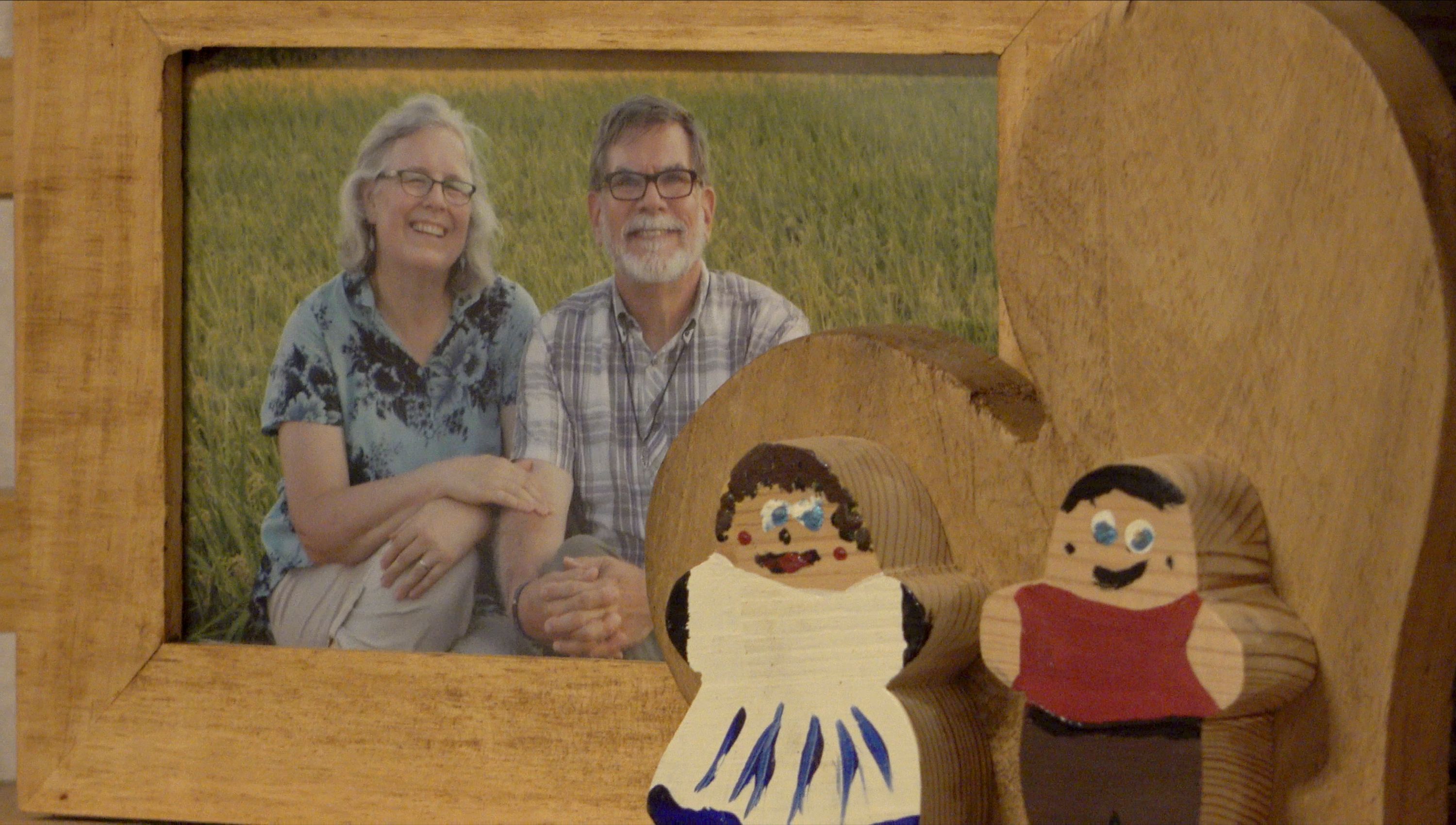
Sharing the Gospel with the Hakka, Michael Kittelson's and Delores Kittelson's Mission Journey in Taiwan
Abstract
Throughout the history of Christianity, missionaries have traveled across cultural boundaries to share their faith, often adapting religious teachings to local languages and cultural practices. This film follows the music ministry of Michael and Delores Kittleson among Hakka communities in Taiwan. Focusing on two American missionaries from the Church of the Lutheran Brethren of North America, it explores how vernacular language, local idioms, folk songs, and other forms of sound media become powerful tools for intercultural communication, relationship-building, and identity formation. By documenting the Kittlesons’ engagement with local communities, the film illustrates how music can create a sense of cultural intimacy and shared sociality between missionaries and local residents. More broadly, it invites reflection on the ways sound and performance mediate the relationship between religion and culture, shape embodied religious experience, and offer new possibilities for ethnomusicological inquiry.
Director
Hsu, Hsin-Wen
Hsu is Associate Professor and Director of the Graduate Institute of Ethnomusicology at National Taiwan Normal University. He holds a Ph.D. in Ethnomusicology from Indiana University Bloomington. His research spans Hakka music, Finnish folk music, cultural institutionalization, audiovisual ethnomusicology, and applied ethnomusicology, and more recently has expanded to include studies of sound and embodiment as well as AI-mediated musicality. His work has appeared in edited volumes such as Decentering Musical Modernity: Perspectives on East Asian and European Music History and Resounding Taiwan: Musical Reverberations across a Vibrant Island, as well as periodicals such as Taiwan Journal of Anthropology, Global Hakka Studies, and Journal of Chinese Ritual, Theatre and Folklore. He is also the editor and author of The Grain of Hakka Voices: Rethinking Hakka Music in Taiwan through Interaction, Comparison, and Mediation (尋覓客音—互動、比較與中介取徑下的臺灣客家音樂) (National Central University Press, 2025).
影身作戲 Performing with Shadow Puppetry
Abstract
This film explores Taiwanese traditional shadow puppetry and examines how digital media and innovative teaching methods facilitate its adaptation to contemporary education and performance contexts. Through interviews with preservation groups, the film delves into puppet manipulation, craftsmanship, and the luogujing (Chinese percussion notation) as well as the presentation of luogu music (Chinese percussion ensemble), which is performed backstage yet serves as the rhythmic backbone of shadow puppetry.
Interweaving the narratives of master artists with the experiences of learners, the film showcases the exceptional artistry of puppeteers in skillfully manipulating figures and delivering dialogue behind the shadow screen, alongside the intricate craftsmanship of puppet-making. It underscores the vital role of luogu music in shaping the immersive storytelling experience. Through an analysis of rhythmic variations and performance practices, the film examines the interplay between oral transmission and notation-based teaching in the preservation of musical heritage, offering insights into how traditional arts can be sustained and evolved in modern society.
Director
Wang, Hsing-Yu
Currently pursuing a Master's degree in Graduate Institute of Ethnomusicology at National Taiwan Normal University, Wang Hsing-Yu graduated from the Department of Chinese Music at National Taiwan University of Arts and Changhua County Changhua Arts Senior High School.
She majors in pipa under the guidance of Technical Specialist LAI, Hsiu-Chou, and previously studied with Adjunct Instructor Chen,Pei-Tzu and Adjunct Assistant Professor Cheng,Wen-Hsin professor. She has also received masterclass instruction from Zhang Yin, Wu Man, and Zhou Hong. In 2022, I held a pipa solo recital and have actively participated in various performances and competitions in recent years, receiving several awards.
During graduate school, I joined a research project on the short documentary Performing with Shadow Puppetry, guided by Professors LU, Yu-Hsiu, Associate Professor HSU, Hsin-Wen, and Executive Producer Feng, Pi-Ying. Through planning and fieldwork, I gained basic skills in filming and content development. This experience expanded my media knowledge and offered new perspectives on presenting traditional music.
Hsin, Yu-Chen
I am currently a graduate student in the Multimedia Division of the Graduate Institute of Ethnomusicology at National Taiwan Normal University. I earned my bachelor’s degree in Chinese music from Chinese Culture University, where I specialized in playing the Chinese flute (dizi). My academic training has provided me with a great foundation in traditional Chinese music performance and theory.
At the graduate level, my studies focus on three main areas: audio recording techniques, video documentation, and topics in ethnomusicology. I am particularly interested in how multimedia tools can be used to document, preserve, and present traditional performing arts in contemporary contexts.
In addition to technical and research-based learning, I am passionate about the broader field of ethnomusicology. I enjoy exploring diverse musical traditions and their cultural significance, and I am expected to continue deepening my understanding of both historical and modern expressions of traditional music.
Feng, Pi-Ying
Received her M.A. from the Multimedia Applications Division of the Graduate Institute of Ethnomusicology at National Taiwan Normal University. She began studying the guzheng at the age of eight and has since actively participated in numerous traditional Chinese music performances, solo recitals, and teaching activities.
With extensive experience in the field of traditional music, Feng has, in recent years, integrated her expertise in media and digital technologies to contribute to various interdisciplinary projects. Her work includes the planning and implementation of digital archives, field research, and music documentary production.
In 2009, she served as a full-time video editor in the video production department of Condé Nast Taiwan. Since returning to NTNU in 2012, she has been involved in administrative and educational roles, mentoring students in the media division and serving as producer on multiple documentary short films. Her work emphasizes the intersection of traditional music and contemporary media practices, with a strong commitment to documentation and knowledge transmission.
聲聲不息 Endless Musicking
Abstract
In the early history of Taiwan’s indigenous peoples, traditional chants and instrumental performances were primarily transmitted through oral tradition—a "heart-to-heart" pedagogy. However, with the passing of tribal elders and the outward migration of younger generations, this delicate chain of transmission has faced a critical disruption, exacerbated by a historical lack of textual and visual documentation.
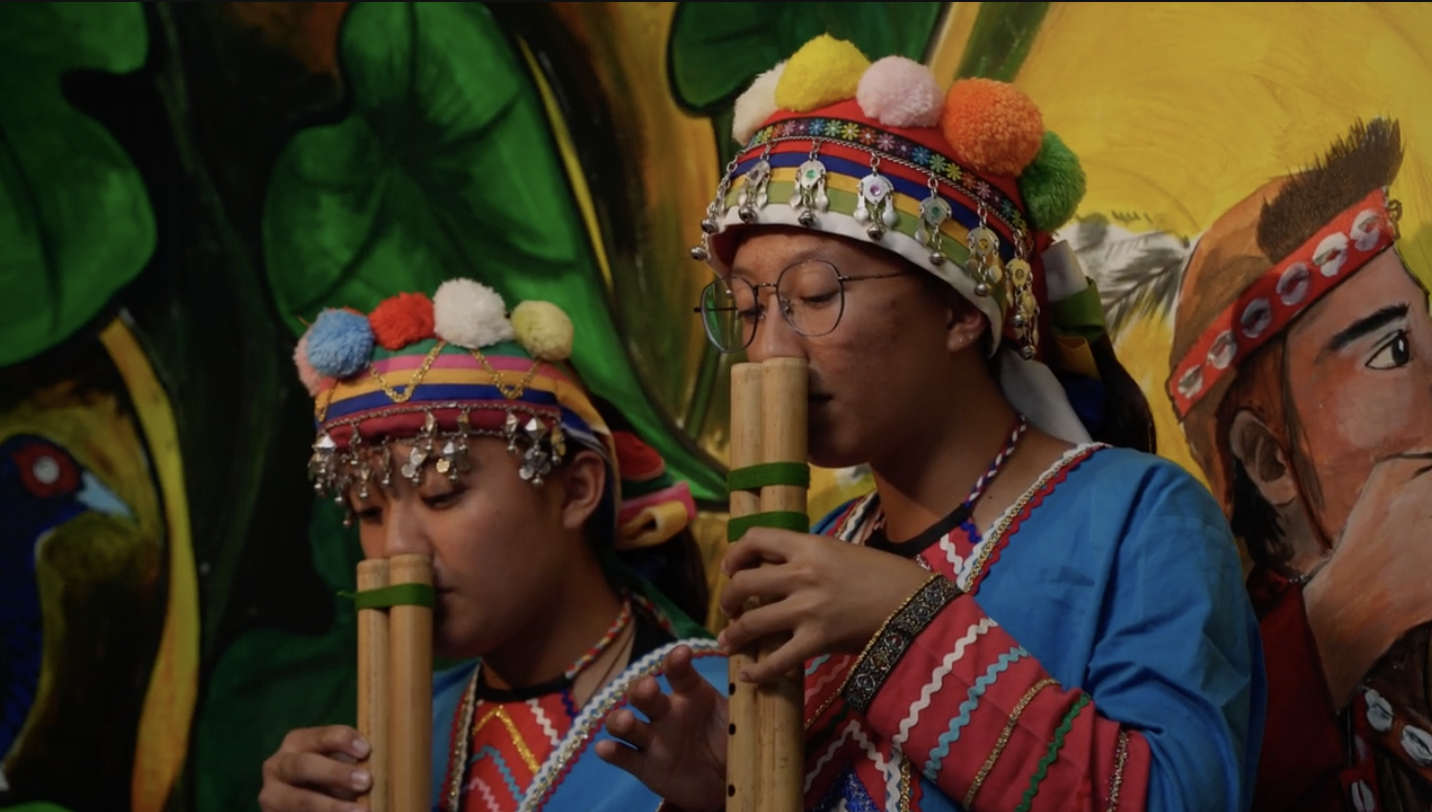
Among these traditional instruments, the nose flute stands out for its unique performance technique—using nasal breath to evoke sound. While the Paiwan nose flute has gained some academic visibility, the Tsou double-pipe nose flute remains largely obscure and critically endangered.
This documentary represents a cross-disciplinary effort in ethnomusicology and organology. By integrating rigorous literature review, in-depth interviews with tribal keepers of knowledge, and on-site documentation of performances, the project seeks to preserve the fading memories of this instrument. Beyond mere recording, the film meticulously captures the physical measurements and traditional manufacturing process of the flute. By piecing together fragments of oral history and rare archival data, this work serves as a vital bridge to reconstruct the cultural narrative and "sonic soul" of the Tsou people for future generations.
Director
Chen, You-Syuan
Holds an M.A. in Ethnomusicology (Multimedia Group) from National Taiwan Normal University. Originally trained as a classical composer during her undergraduate years, she later expanded her creative horizon into the realm of audio-visual art. Her work explores the intersection of sound and image, utilizing the camera as an extension of the senses to document what is seen, heard, and felt. For You-Syuan, the act of filming is an introspective journey—a process of re-examining the world and rediscovering the self.
Currently, she serves as a faculty member at a public high school, where she balances her dedication to education with her passion for artistic exploration. Her creative practice focuses on the digital preservation of intangible cultural heritage, particularly Taiwan’s indigenous musical traditions. By combining academic rigor with cinematic storytelling, she aims to provide a platform for voices and sounds that are at risk of being silenced by time.
那幫人,搞什麼? What's Going On with Suona Gang?
Abstract
Suona is usually considered funeral-related or other traditional ceremonies in Taiwan, so it is often treated in a biased and unfair manner. Suona Gang (same pronunciation with “those guys” in Chinese) was founded in 2020 and became Taiwan’s first crossover suona-based band. On the premise of retaining the national characteristics of suona, they use funny and innovative elements to create a unique portrayal of Taiwan’s traditional folk music scene, and undoubtedly create a stage for their own also. This ethnomusicological film shows the team’s original intention, interaction among group members, the efforts they have made or tried for the performance, and their goal of advocating Taiwan’s folklore and culture. Through presenting part of behind-the-scenes clips, this film aims to reveal the story behind these guys, Suona Gang. Let people know what they have been doing, what was going on with them in the show. Then people may actually listen to the suona, or this kind of music in a new way, and arouse the interest or curiosity about Suona Gang and get to know Taiwanese culture.
Keywords: traditional Chinese wind instrument, suona, Taiwanese culture, crossover music, original pieces
Director
CAI, An-Jin
Cai major in suona performance and hold a Bachelor's degree in Chinese Music from Tainan National University of the Arts (TNNUA). Currently, he is pursuing a Master’s degree in the Graduate Institute of Ethnomusicology (GIEM) at National Taiwan Normal University (NTNU). Having studied and performed traditional Chinese music from an early age, he has developed a strong foundation in suona performance and a deep appreciation for its cultural and expressive dimensions. During his graduate studies, he began to explore multimedia as a medium for artistic expression, aiming to integrate sound, image, and live performance into interdisciplinary works. His current research and creative practice focus on reinterpreting traditional instruments in contemporary contexts, with the intention of expanding their expressive potential and cultural relevance in modern performance settings.
HSIEH, Chia-Chi
Hsieh was admitted to the Graduate Institute of Ethnomusicology (GIEM) at the National Taiwan Normal University (NTNU) with her zhongruan performance. After entering this department, she received lots of multimedia training such as: field research, audio and video recording, professional recording, history of sound recording, documentary production, etc. In addition, during her studies, she had the opportunity to come into contact with a lot of work about art administration, performance execution, and other behind-the-scenes works. Through the education in school and the experience of work, she deeply realized that performance experience, the use of multimedia materials, and the need for close communication and understanding between cross-fields are the only way to push performance activities to a higher and more influential level. Currently, her main research area is multimedia performance planning and execution. She is committed to combining her own performance experience, academic knowledge, multimedia technology, and administrative capabilities to achieve more performance activities that are well-executed at all levels and leave a deep impression on the audience and performance teams.
因曼陀林相遇的我們 Brought Together by the Mandolin
Abstract
The Taiwan Mandolin Ensemble is currently the most active mandolin music group in Taiwan. Founded in 2007 by Zihan Chen, the group has now been in existence for eighteen years. Dedicated to promoting mandolin music, the ensemble has attracted members from diverse regions and music backgrounds. Through shared musical practice over time, members not only became acquainted through the mandolin but also developed deep friendships and a strong sense of belonging. As a musical community, the ensemble fosters a collective identity among its members, who in turn play a vital role in further promoting mandolin music in Taiwan.
This study documents the rehearsal and performance processes of the Taiwan Mandolin Ensemble and, through interviews with the ensemble leader, conductors, and members, explores the development of mandolin music in Taiwan and the interpersonal connections formed through music.
Through the concrete presentation of video, this study seeks to address the limitations of written ethnography in capturing interpersonal interactions—particularly the “dialogic” relationships that emerge during musical performance, including body language, eye contact, breathing rhythms, and spontaneous interactions. These visual details help viewers more deeply understand how music operates within a group and generates emotional meaning.
Director
Luk, Hoi Ting
Luk Hoi Ting was born in Hong Kong and currently works in music education. She graduated from the Department of Chinese Music at the National Taiwan University of Arts and the Graduate Institute of Ethnomusicology at the National Taiwan Normal University, specializing in Zhongruan, Liuqin and Mandolin.
During her three-year master’s program, she expanded her practice from musical performance to documentary filmmaking, completing her debut film, Brought Together by the Mandolin – A Documentary of the Taiwan Mandolin Ensemble, in 2025.